Many forex brokers now offer stock trading, allowing investors to manage a diverse portfolio of currencies, equities, commodities, and even cryptocurrencies from a single account. This thoughtful expansion reflects a genuine desire to support traders’ evolving needs: flexibility, accessibility, and a seamless, unified experience. But how exactly does this work, and how do these brokers compare to traditional stockbrokers? Let’s dive in.
How Forex Brokers Offer Stock Trading
A forex broker traditionally facilitates trading in currency pairs (like EUR/USD or GBP/JPY), typically using leveraged contracts such as CFDs (contracts for difference). When these brokers expand into stock trading, they usually do so in one of two ways:
1.Contracts for Difference (CFDs): This is the most common method. When trading stock CFDs, you do not actually own the underlying share. Instead, you enter into a contract with the broker to exchange the difference in the stock’s price from the time you open the trade to the time you close it.
2.Real Stock Ownership(less common): In recent years, due to high demand, some of the top-tier forex brokers have started offering actual share dealing. This means you buy the real underlying asset, and the shares are held in your name, entitling you to dividends and voting rights.
Forex Brokers vs Traditional Stockbrokers: The Key Differences
1. Asset Ownership
Traditional Stockbrokers: You are buying the actual asset. You receive full shareholder rights, including dividends and voting privileges.
Forex Brokers: If you are trading stock CFDs, you do not own the asset or have voting rights (though you may receive dividend adjustments). If the broker offers a separate “real stocks” account, ownership rules apply as normal.
2. Leverage and Margin
Traditional Stockbrokers: Leverage (margin trading) is usually restricted. In the US, for example, the standard margin requirement is typically 50% (2:1 leverage) for overnight stock holding.
Forex Brokers: Forex brokers are known for offering higher leverage. Through CFDs, you might get leverage of 5:1, 10:1, or even 20:1 on stocks, depending on your jurisdiction (e.g., European regulators cap retail stock CFD leverage at 5:1, while offshore regulators may allow much higher).
3. Short Selling
Traditional Stockbrokers: Shorting real stocks can be complex, requiring a margin account, borrowing the shares, and paying borrowing fees. Sometimes, stocks are “hard to borrow.”
Forex Brokers: Because CFDs are derivatives, shorting a stock is as simple as clicking the “Sell” button. You don’t need to borrow the underlying asset.
4. Fee Structures
Traditional Stockbrokers: Usually charge a flat commission per trade or a per-share fee. However, many have moved to a “zero-commission” model recently.
Forex Brokers: Typically charge via the spread (the difference between the buy and sell price) and overnight swap fees if you hold a leveraged position past the daily market close. Some also charge a small percentage-based commission on stock CFDs.
5. Trading Platforms
Traditional Stockbrokers: Offer proprietary web, desktop, and mobile platforms tailored for long-term investing, options chains, and fundamental stock research.
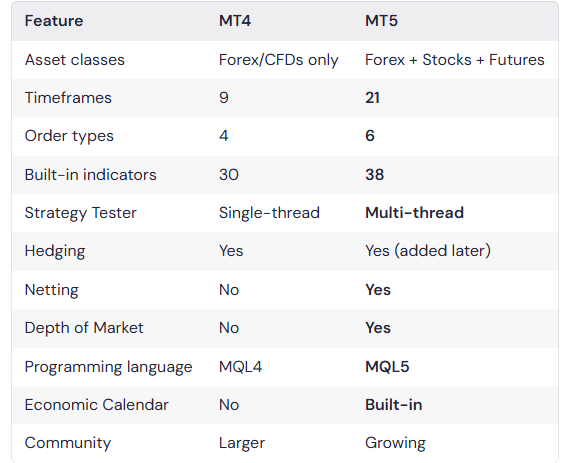
Forex Brokers: Usually rely on industry standards like MetaTrader 4 (MT4), MetaTrader 5 (MT5), or cTrader, which are heavily geared toward technical analysis and automated trading (Expert Advisors).
Recommended Forex Brokers That Support Stock Trading
Here are some well-known forex brokers that also offer stock trading capabilities
1.eToro
eToro is arguably the most famous multi-asset broker. It originally started as a forex and CFD platform but has evolved into a powerhouse for stock trading.
What they offer: Depending on your region, eToro offers both zero-commission real stock trading and stock CFD trading (for shorting and leverage).
Standout Feature: CopyTrading. You can automatically replicate the portfolios of successful stock and forex traders.
Best For: Beginners, social traders, and those wanting a mix of real stocks and CFDs.
2.XTB
XTB is a major European broker known for its transparency and highly-rated proprietary trading platform.
What they offer: Over 3,000 real equities and ETFs (with 0% commission up to €100k monthly volume in many jurisdictions), alongside thousands of stock CFDs and forex pairs.
Standout Feature: The xStation 5 platform is incredibly intuitive, fast, and packed with advanced charting tools.
Best For: Intermediate to advanced traders looking for an alternative to MetaTrader.
If these two brokers do not operate in the country or region where you reside, you can also choose from the following forex brokers.
| Forex Brokers | Headquarters | Min Account | Markets Instruments | Platform | Payment |
|---|---|---|---|---|---|
|
Melbourne, Australia
|
$100
|
2600+US/European stock CFDs
|
tradingview,MT4,MT5
|
Crypto,Neteller,Skrill,WIRE transfer,Fasapay,dragonpay,iBPAY,Credit cards,paypal
|
|
|
Auckland, New Zealand
|
$1
|
1100+ US/European stock CFDs
|
MT4,MT5,cTrader,TradingView,BlackBull CopyTrader,BlackBull Invest
|
Credit/Debit cards,Apple Pay,Google Pay,Bank Transfer,Crypto,Skrill,Neteller
|
|
|
Australia, Cyprus
|
$200
|
730+ ASX, NYSE/NASDAQ and European stock CFDs
|
tradingview,MT4, MT5,cTrader,WEB |
AasaPay,PoLi,Bpay,Paypal,Skrill,Neteller,Credit/debit cards,Tether,Bitcoin,Ethereum
|
|
|
Sydney, Australia
|
$100
|
over 10000 Share CFDs
|
MT4, MT5,tradingview,ctrader
|
Bank wire,Skrill,Neteller,Credit/debit cards,Tether,Bitcoin,Ethereum
|
|
|
Sydney, Australia
|
$100
|
1000+ CFD Instrument
|
MT4,MT5,copy trading,tradingview
|
Bank Transfer,Credit/Debit Card,Apple Pay/Google Pay,Paypal,Neteller,Skrill,Fasapay,Perfect Money,Astropay
|
|
|
London, United Kingdom
|
$100
|
600+ Share CFDs
|
tradingview,MT4, MT5,tickmill-trader
|
Skrill,Neteller,WebMoney,Credit/debit cards,FasaPay,Bitcoin,Ethereum,AdvCash
|
|
|
Melbourne, Australia
|
$50
|
1400+ stock CFDs
|
tradingview,MT4,MT5,cTrader
|
Credit/Debit cards,Apple Pay,Google Pay,Bank Transfer,Crypto,Skrill,Neteller
|
 fxpro.com
 BlackBull.png.com
 icmarkets.com
 FPMarkets.com
 vantagemarkets.com
 tickmill.com
 pepperstone.com
评论0